 Move With Zyad
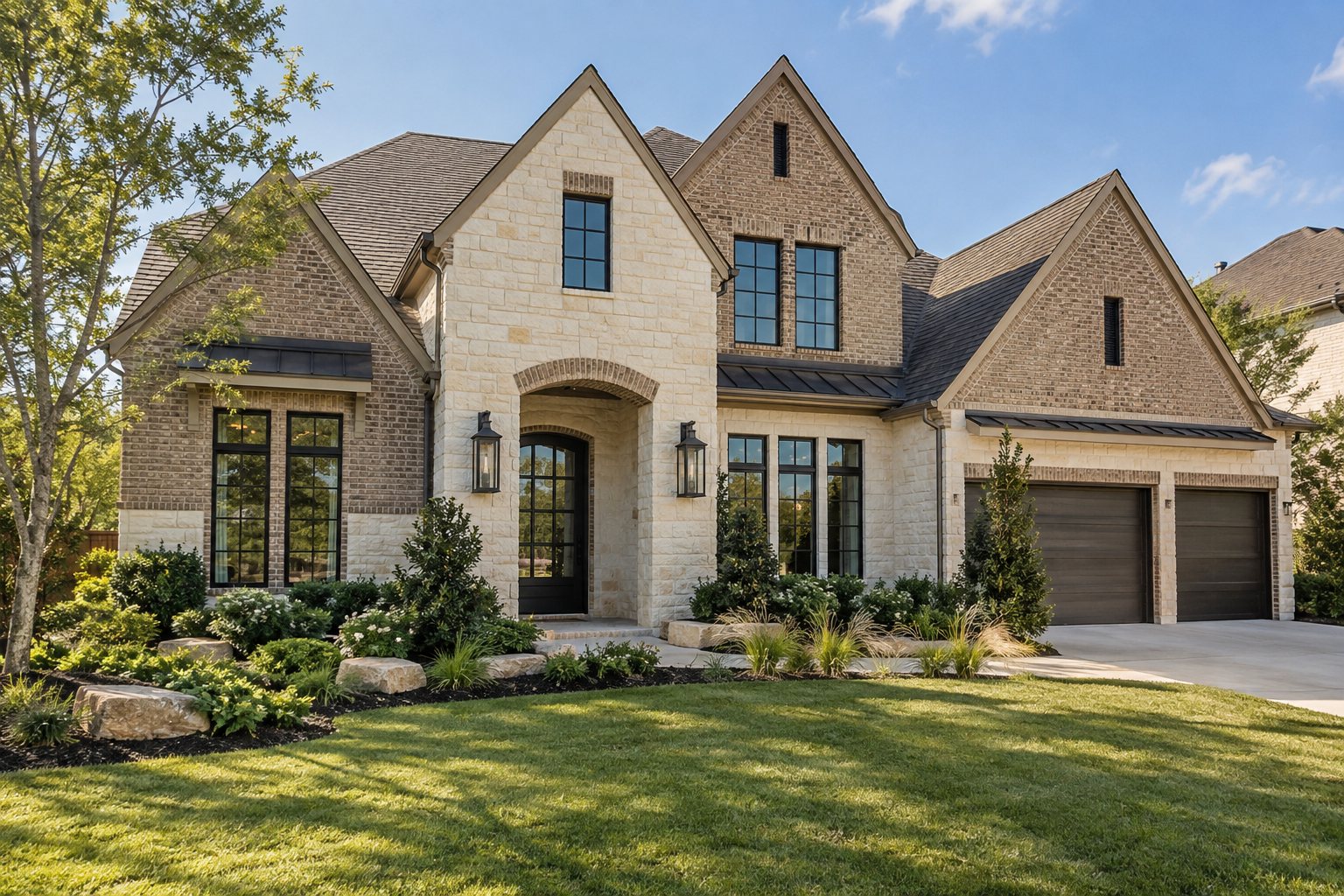
What is the price of this finished home?
When buying new construction in Houston, ask for a written breakdown tied to the home and lot you are considering. Separate the base price from the lot premium, selected upgrades, and anything you would add after closing.
Walk through the model with one question in mind: is this included? Make a list of the appliances, flooring, counters, lighting, landscaping, window coverings, and outdoor features you expect. Ask the builder to identify which choices appear in your contract.
For example, if the model has a covered patio but your selected plan does not, put the cost of that difference into your comparison now. Ask which prices can change, when selections become final, and how changes are approved. Keep a copy of the specification sheet with your home notes.
What does the builder incentive require?
An incentive needs a written explanation. Ask whether it is tied to a particular home, closing date, lender, title provider, or loan program. Find out whether it lowers the purchase price, covers eligible closing costs, or changes loan pricing.
The CFPB explains that you can shop for another lender even when a builder has an associated lender. It also recommends asking when a builder deposit can be returned. See CFPB’s home-shopping guidance.
Ask competing lenders for comparable Loan Estimates. Compare the rate, loan costs, credits, cash to close, and monthly payment; a lower insurance or tax estimate is not a lender discount. CFPB’s Loan Estimate comparison guide explains how to make that comparison.
If an offer mentions a temporary rate buydown, ask the lender for the payment during each period and after the temporary assistance ends. Do not build your long-term budget around the lowest advertised payment.
How will inspections and unfinished work be handled?
Ask about access for an independent inspector before you commit. Discuss the right inspection stages with that inspector and confirm the builder’s scheduling process. Keep the final walkthrough, inspection report, and written repair list as separate items.
TREC explains that a standard property inspection has defined reporting requirements; an informal walkthrough is not equivalent. Read TREC’s guide to property inspections when choosing an inspector.
- Who approves inspection appointments, and how much notice is needed?
- How are findings reported, addressed, and checked again?
- What work must be finished before closing?
- How are later warranty requests submitted?
Read the actual warranty terms, exclusions, and deadlines. Ask for professional advice on anything in the contract you do not understand. Do not assume every builder uses the same agreement or gives the same protections.
What happens if the timeline or costs change?
Ask which completion date is an estimate and which commitments are written into the contract. Talk through delayed completion, temporary housing, storage, an expiring rate lock, and the timing of your current lease or home sale.
For the ownership budget, request an estimate for the completed home and its full set of taxing units. A figure associated with a lot or unfinished property may not represent the future bill. Use the property-tax guide to organize questions, then confirm the specifics with the district and lender.
Ask about association dues, transfer or setup charges, and any other recurring costs. Obtain an insurance quote for the exact home. Put these figures into the home comparison tool alongside an existing home you would also consider.
Send Zyad the community, plan, lot, and written offer you want to review. A useful next step is to clarify the unanswered questions before a model-home visit turns into a commitment.
Compare the actual home, the written financing offer, and the completion plan together. A headline price is only the starting point.